
Understanding Dementia and Alzheimer's Disease for Families Considering Memory Care
Understanding Dementia and Alzheimer's Disease for families considering a memory care facility is an important topic. As a family member of someone with this disease, it can be difficult to (navigate) the situation. It's essential (to comprehend) what is happening to your loved one so that you can provide them with the best possible care. Negatively, dementia and Alzheimer's Disease are progressive and incurable conditions that affect a person’s thinking, memory and behavior. This can cause confusion and distress for both the sufferer as well as their family members! A transition phrase could be: "At any rate..." At any rate, understanding the different stages of dementia and Alzheimer's Diseases can help families prepare for what lies ahead – from both an emotional and practical perspective. Mild cognitive impairment may be an early sign of dementia or Alzheimer’s which could include (forgetfulness), difficulty concentrating or completing tasks, confusion in unfamiliar places or trouble finding words during conversation. It is also crucial to know that these symptoms don't necessarily mean a person has dementia or Alzheimer’s; they should be evaluated by a doctor in order to make an accurate diagnosis. As the condition progresses more
read more
3. Look for a community with activities and social engagement
The fundamentals of person-centered care for individuals with dementia nonphysician care providers can help to increase detection of cognitive impairment and encourage diagnostic evaluation for dementia in community and residential care settings person-centered assessment and care planning ongoing medical management to maximize health and well-being for persons living with dementia meeting the informational, educational, and psychosocial support needs of persons living with dementia and their family caregivers progressive support for activities of daily living for persons living with dementia evidence-based nonpharmacological practices to address behavioral and psychological symptoms of dementia long-term care workforce issues: practice principles for quality dementia care from research to application: supportive and therapeutic environments for people living with dementia. Staying at home might not be the best choice for your loved one. Maybe they need more care or social connections. A residential community may be more preferable. As their condition moves into later stages, staying at home might not be an option at all. Retirement housing: this may be right for someone still in early-stage alzheimer’s who can live independently but may need help with transportation and opportunities for social activities. assisted living : this is a good option that’s halfway between independent living and nursing home care. Assisted living communities
read more
Signs it might be time for memory care
Changes in mood and behaviour sometimes happen even before memory problems occur. Symptoms get worse over time. Eventually, most people with dementia will need others to help with daily activities. Early signs and symptoms are: forgetting things or recent events losing or misplacing things misjudging distances to objects visually. Common changes in mood and behaviour include: feeling anxious, sad, or angry about memory loss personality changes withdrawal from work or social activities being less interested in other people’s emotions. Dementia affects each person in a different way, depending upon the underlying causes, other health conditions and the person’s cognitive functioning before becoming ill. Most symptoms become worse over time, while others might disappear or only occur in the later stages of dementia. By always focusing so diligently on your loved one’s needs throughout the progression of their dementia, it’s easy to fall into the trap of neglecting your own welfare. If you’re not getting the physical and emotional support you need, you won’t be able to provide the best level of care, and you’re more likely to become overwhelmed and suffer burnout. Plan for your own care. Visit your doctor for regular checkups and pay attention to the signs and symptoms of excessive
read more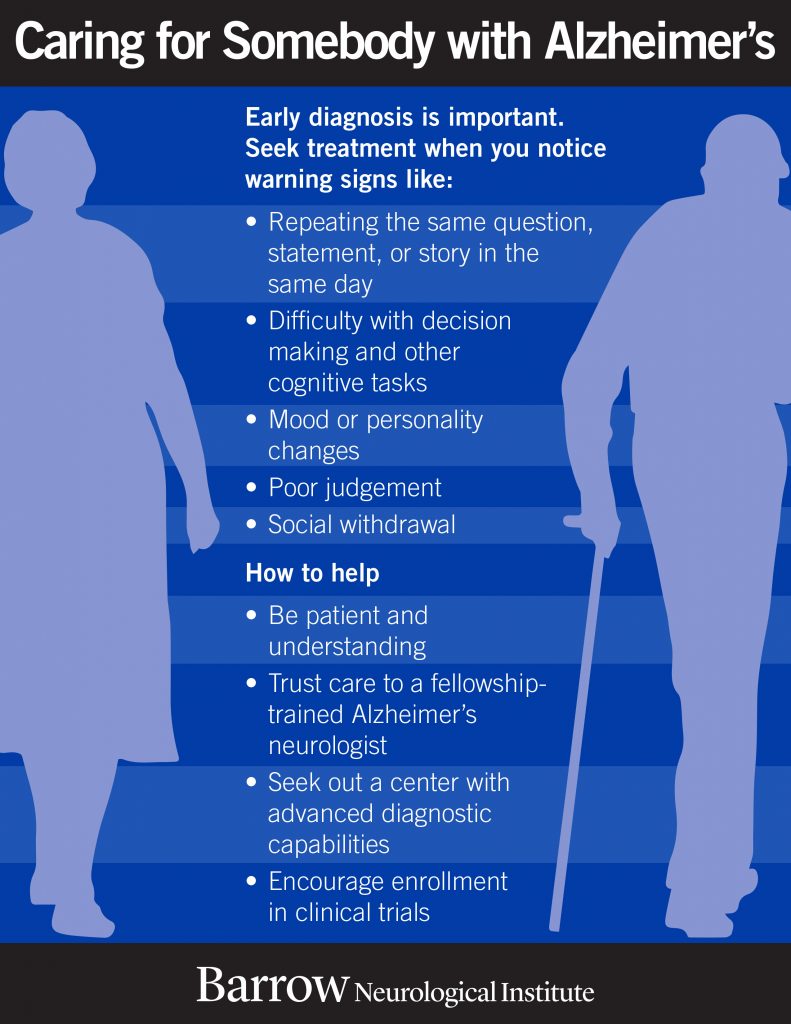
Understanding memory care costs
Memory care costs more than standard assisted living care. Dementia care central estimates memory care may cost about $1,200 more per month than assisted living. (assisted living averages $5,350 per month, according to genworth financial's 2023 cost of care survey). Seniorhomes. Com has compiled a state-by-state list of costs, with monthly medians ranging from a low of $3,233 in mississippi to a high of $5,800 in maine. Memory care costs may vary based on several factors, explains lucinda "cindy" baier, president and ceo of brookdale senior living. These include: baier adds that some memory care programs offer services a la carte, by care level or with all-inclusive pricing. Living in a memory care facility costs $6,160 on average per month, according to dementiacarecentral , a resource website funded by the national institute on aging. Prices vary based on geographic location, the size and privacy of your room, and how much medical care or personal assistance you require. This monthly fee generally includes the room, food, basic housekeeping and laundry services, and recreational activities. For example, haircuts, bathing or more extensive housecleaning may cost extra. Community fees may also be an additional charge. If the memory care center is within a
read more
What is Memory Care?
A memory care facility provides specialized residential care for people living with alzheimer’s disease and other forms of dementia. To be eligible for memory care, older adults must have a diagnosis of dementia and a need for around-the-clock supervision. Most memory care facilities offer dementia-specific care and activities, including gardening, exercise, and cognitive games and therapies. The cost of memory care can reach six figures per year. You can pay with private savings and assets or long-term care insurance. In some cases, medicaid will help to cover the cost of memory care for eligible older adults. The first cognitive symptoms of alzheimer’s and other forms of dementia are mild and may resemble normal signs of aging. Memory care is a type of long-term care community designed to meet the specific needs of individuals with a dementia diagnosis, like alzheimer’s disease or another form of dementia. Memory care facilities offer 24-hour care and supervision, secured environments, specialized staff trained in dementia care, and memory-enhancing activities and therapies. Memory care can take place in apartment-like facilities, within a wing of an assisted living facility, or in smaller residential care homes. The goal of memory care is to provide an engaging, safe,
read more