Understanding memory care costs
by Admin
Posted on 10-10-2024 01:37 PM
Memory care costs more than standard assisted living care. Dementia care central estimates memory care may cost about $1,200 more per month than assisted living.
 (assisted living averages $5,350 per month, according to genworth financial's 2023 cost of care survey). Seniorhomes. Com has compiled a state-by-state list of costs, with monthly medians ranging from a low of $3,233 in mississippi to a high of $5,800 in maine. Memory care costs may vary based on several factors, explains lucinda "cindy" baier, president and ceo of brookdale senior living. These include:
baier adds that some memory care programs offer services a la carte, by care level or with all-inclusive pricing.
(assisted living averages $5,350 per month, according to genworth financial's 2023 cost of care survey). Seniorhomes. Com has compiled a state-by-state list of costs, with monthly medians ranging from a low of $3,233 in mississippi to a high of $5,800 in maine. Memory care costs may vary based on several factors, explains lucinda "cindy" baier, president and ceo of brookdale senior living. These include:
baier adds that some memory care programs offer services a la carte, by care level or with all-inclusive pricing.
Living in a memory care facility costs $6,160 on average per month, according to dementiacarecentral , a resource website funded by the national institute on aging. Prices vary based on geographic location, the size and privacy of your room, and how much medical care or personal assistance you require. This monthly fee generally includes the room, food, basic housekeeping and laundry services, and recreational activities. For example, haircuts, bathing or more extensive housecleaning may cost extra. Community fees may also be an additional charge. If the memory care center is within a nursing home, the monthly fee will cover everything listed above, plus medical care provided at the facility or on an outpatient basis. https://en.wikipedia.org/wiki/Independent_senior_living
Email alzheimer's disease and other forms of dementia are on the rise as the elderly population continues to grow. In 2020, there were more than 5. 8 million americans living with alzheimer's disease- and by 2050, that number could increase to 14 million. Clearly, there is a need for memory care services, and since those services can vary widely, it’s important to have an uncomplicated definition of memory care. A whopping 16 million americans provide unpaid care for a loved one with alzheimer's or dementia, even though the task becomes increasingly difficult and as the disease progresses. The following guide will help you better understand what memory care is, how much memory care costs, and how to choose the best option for your loved one.
What services are provided in memory care?
If you’ve decided your loved one needs memory care after reviewing the list of signs above, take a look at our checklist to help you find the right memory care facility. However, keep in mind, memory care facilities aren’t the only dementia care option. You can also remain their primary caregiver while taking a break from time to time using respite memory care. Respite care offers family caregivers downtime to take care of themselves, tend to personal things, and even take vacations. A senior with dementia can also continue living in their home and receive specialized in-home care for dementia.
We believe in person-centered care. We understand that each person's experience with alzheimer's is unique, and we tailor our services to meet their specific needs, preferences, and abilities. Our dedicated caregivers are trained to meet the physical, emotional, and cognitive needs of alzheimer's patients. Our alzheimer’s care services include compassionate monitoring to ensure the safety and well-being of your loved one support with cooking, light housekeeping, and personal care. Mobility assistance to keep your loved one comfortable. Medication reminders to ensure health and maximum comfort memory care through engaging activities, games, and personalized attention heartfelt companionship to combat feelings of loneliness and foster a warm connection.
Specialized care for individuals dealing with memory loss help with activities of daily living for seniors who need basic assistance intensive medical services for those who require a higher level of care staff training staff trained specifically to manage alzheimer’s symptoms and provide therapeutic treatments staff trained to assist with daily tasks, but not typically trained in memory care nursing staff focused on providing medical care, typically without specialized memory care training safety measures specialized safety measures in place to prevent wandering and ensure a secure environment general safety measures, but not tailored to seniors with memory loss comprehensive safety measures in place, but not specifically designed for people with cognitive challenges.
How is memory care different from other senior living options?
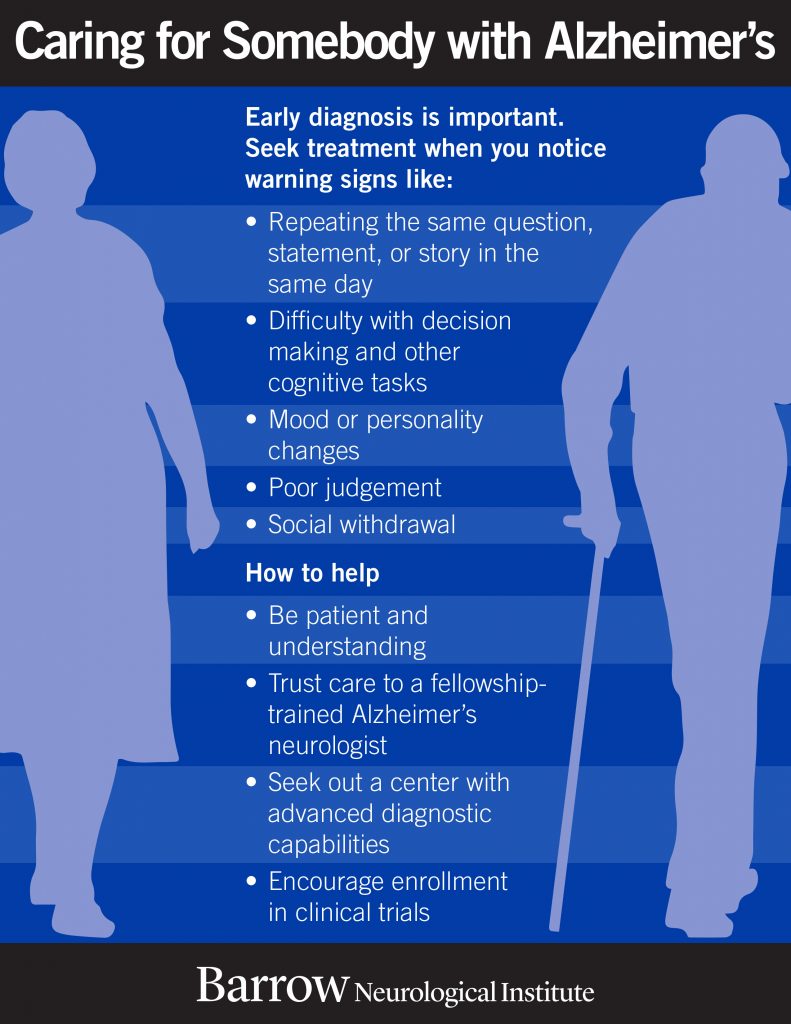
Memory care, sometimes also referred to as alzheimer's care, is a specialized type of long-term care for individuals with memory loss. Memory care may be recommended to your loved one by a medical professional, or you may notice the need in your loved one on your own. In either case, you do have a few memory care options available, from dedicated memory care facilities to specialized units within assisted living communities or nursing homes. Memory care facilities offer the following amenities: consult with a medical provider to evaluate these symptoms. Milder symptoms, such as difficulty concentrating or forgetting to cook meals, may be appropriate for memory care living.
Alzheimer’s affects more than memory. The disease impacts social interaction, physical ability and emotional well-being. Our caregivers are thoroughly trained to understand the difficulties individuals and family caregivers undergo when faced with alzheimer’s. When you entrust your care to all ways caring, you know you will be supported with grace, patience and compassion. Our a. L. I. G. H. T. ® approach guides the way. A. L. I. G. H. T. Guides us as we provide patient-centered, holistic care for seniors living with alzheimer’s and dementia. The a. L. I. G. H. T. Approach includes: holistic care what can we help you with? * select an option* what area are you looking for services in? city* state* your message*.
When making decisions regarding the care of a loved one with dementia, one of the options that must be considered is whether memory care or in-home care is the best approach. It’s important to understand the key differences between them, as each has its own unique advantages and disadvantages. Memory care can be thought of as an extension of assisted living, providing a supportive environment specifically designed for individuals with dementia. Memory care facilities are staffed 24/7 by experienced professionals who provide around-the-clock monitoring and support. They also offer amenities such as physical and occupational therapy, recreational activities, and structured programming.
Memory care is a special type of senior housing designed to meet the unique needs of adults who have alzheimer’s disease or a similar form of dementia. The focus of memory care programs is on improving the quality of life for people with dementia while also keeping them safe and secure. Some memory care communities are standalone facilities, while other memory care programs are attached to an assisted living community or a nursing home. In both cases, these dedicated memory care communities offer residents a secure, thoughtfully designed environment that helps reduce the risk that an adult with alzheimer’s will wander or otherwise get themselves into a dangerous situation.