What is Memory Care?
by Admin
Posted on 10-10-2024 01:37 PM

A memory care facility provides specialized residential care for people living with alzheimer’s disease and other forms of dementia. To be eligible for memory care, older adults must have a diagnosis of dementia and a need for around-the-clock supervision. Most memory care facilities offer dementia-specific care and activities, including gardening, exercise, and cognitive games and therapies. The cost of memory care can reach six figures per year.
 You can pay with private savings and assets or long-term care insurance. In some cases, medicaid will help to cover the cost of memory care for eligible older adults. The first cognitive symptoms of alzheimer’s and other forms of dementia are mild and may resemble normal signs of aging.
Memory care is a type of long-term care community designed to meet the specific needs of individuals with a dementia diagnosis, like alzheimer’s disease or another form of dementia. Memory care facilities offer 24-hour care and supervision, secured environments, specialized staff trained in dementia care, and memory-enhancing activities and therapies. Memory care can take place in apartment-like facilities, within a wing of an assisted living facility, or in smaller residential care homes. The goal of memory care is to provide an engaging, safe, and therapeutic environment for seniors with dementia to support their well-being and improve their quality of life. https://en.wikipedia.org/wiki/Independent_senior_living
In 1906, german physician dr. Alois alzheimer first described "a peculiar disease" — one of profound memory loss and microscopic brain changes — a disease we now know as alzheimer's. Today, alzheimer's is at the forefront of biomedical research. Researchers are working to uncover as many aspects of alzheimer's disease and other dementias as possible. Some of the most remarkable progress has shed light on how alzheimer's affects the brain. The hope is this better understanding will lead to new treatments. Many potential approaches are currently under investigation worldwide. Sign up for our weekly e-news to receive updates about alzheimer’s and dementia care and research.
What is memory care?
An important part of diagnosing alzheimer's disease includes being able to explain your symptoms. Input from a close family member or friend about your symptoms and their impact on your daily life helps.
Tests of memory and thinking skills also help diagnose alzheimer's disease. Blood and imaging tests can rule out other potential causes of the symptoms. Or they may help your health care professional better identify the disease causing dementia symptoms. In the past, alzheimer's disease was diagnosed for certain only after death when looking at the brain with a microscope revealed plaques and tangles. Health care professional and researchers are now able to diagnose alzheimer's disease during life with more certainty.
Memory care, refers to specialized communities and programs designed to meet the unique needs of those living with alzheimer’s disease and related dementias. A memory care program aims to provide a safe, secure, and supportive environment that allows residents to maintain as much independence as possible. Memory care programs typically feature: secure, dementia-friendly living spaces custom & personalized activities and life enrichment programs specially trained caregivers a daily routine and schedule that is consistent and easy to follow nutritious meals with help for residents who need assistance eating supervision and assistance with activities of daily living and personal care integration of physician, rehabilitation, and ancillary medical care services.
Many people associate dementia with memory loss. This is because memory problems are often one of the early symptoms of a dementia disorder, but they are not the only one. The symptoms of dementia can vary, depending on the type of dementia and which areas of the brain are affected. Symptoms may include: memory loss, poor judgment, and confusion changes in the ability to speak, understand, and express thoughts and/or words and to write and read wandering and getting lost in a familiar neighborhood trouble handling money and paying bills repeating questions not caring about other people’s feelings problems with balance and movement people with dementia and those caring for them can face great challenges, including the person’s ability to handle tasks, changes in family relationships, loss of work, and the need for more care as the underlying disease progresses.
Recognizing the need for memory care
Moderate alzheimer’s is typically the longest stage and can last many years. People in the moderate stage of alzheimer’s often require care and assistance. People in this stage may: have increased memory loss and confusion, often forgetting events or details about their life, such as their telephone number or where they went to school. Have growing confusion about which day of the week it is, which season they’re in and where they are. Have poor short-term memory. Have some difficulty recognizing friends and family. Repeat stories, thoughts or events that are on their minds. Have difficulty with simple math. Need help with self-care, such as bathing, grooming, showering and using the bathroom.
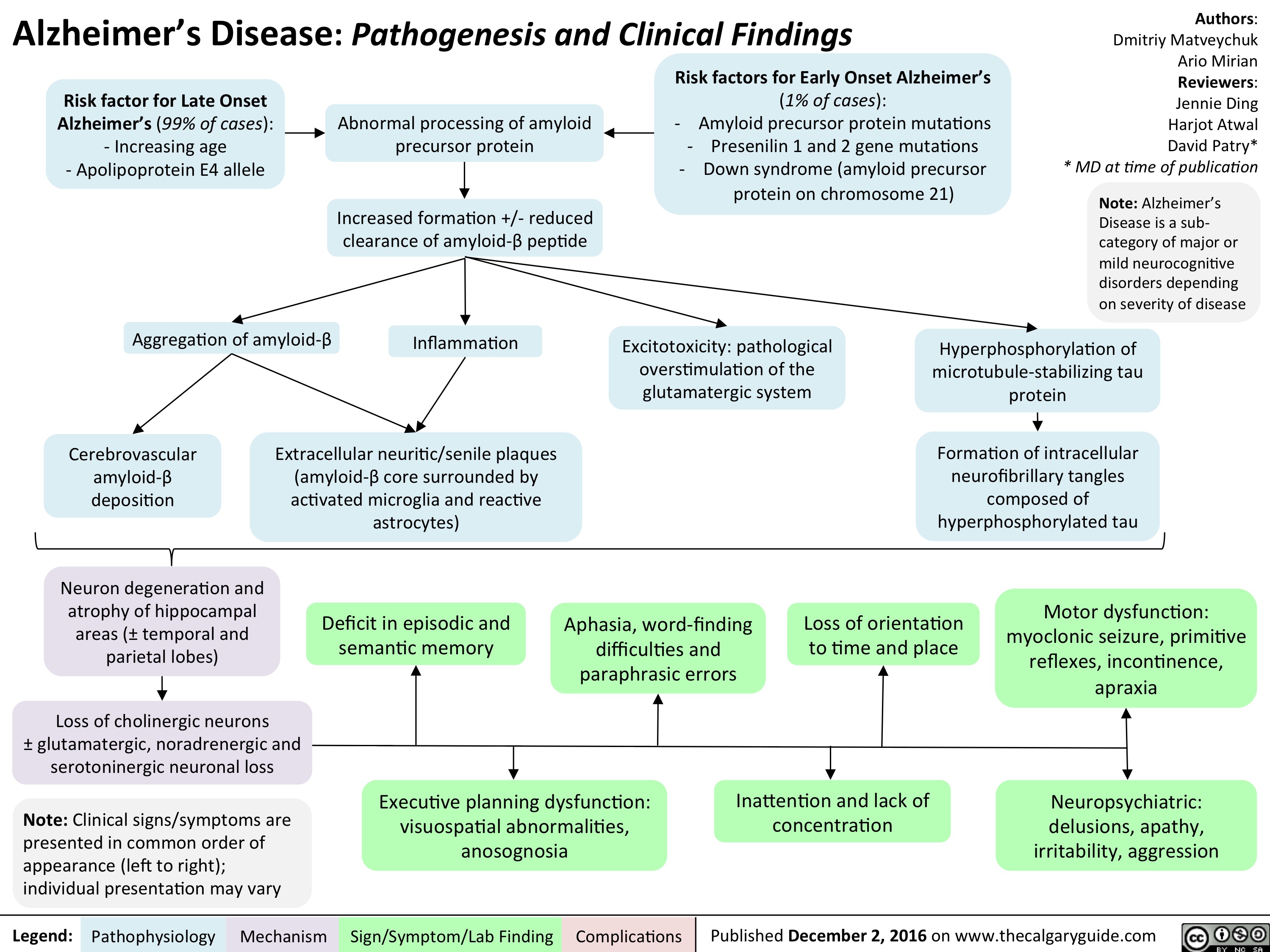
Alzheimer’s disease is a type of dementia. Dementia means that a person has difficulty with memory, judgment and reasoning. This might mean not recognizing your surroundings or people familiar to you, or not being able to find the right words or do certain tasks. The biggest risk factor for alzheimer’s disease is age, but people under sixty can also develop the disease. Facing alzheimer’s disease is very stressful for both the patient and family members. There is no cure for the disease, and patients will need more care and support as time goes on.
Call your primary care provider if you or a loved one is having memory problems. It's a good idea for a patient to bring a family member to the appointment. The family member may see symptoms that the patient does not notice. Memory loss for people with alzheimer’s disease is more than just normal forgetfulness. Other symptoms include: changes to personality, thinking and behavior problems doing simple tasks slower ability to learn things delayed reactions speaking and conversation is slower mood swings, depression problems recognizing family and friends trouble dressing pet scan.
As alzheimer’s progresses, people living with the disease need high levels of in-home memory care to ensure their well-being and safety. Friends or family members may care for your loved one with early and mid-stage alzheimer’s. As the disease reaches its later stages, professional support is often needed. Moving your loved one into a nursing care facility is an option. However, this can be a traumatic experience, and it is typically considered a last resort. Another option is to hire alzheimer’s home care services, such as those offered by visiting angels. Our specialized home caregivers help people age in place with alzheimer’s disease.
Creative communication tactics with dementia patients how to comfort, alleviate stress and meet individuals in ‘their reality’ what is dementia? it’s an umbrella term for a loss of memory and thinking skills that has various causes, symptoms and treatments dementia vs. Alzheimer’s: which is it? how to understand the difference — and why it matters caregiving what caregivers should know about memory care finding the right facility can improve your loved one’s quality of life how to manage 8 dementia-related behaviors finding the right solution requires steady sleuthing, calm compassion what are the common types of dementia? symptoms can vary profoundly depending on which areas of the brain are affected family caregiving care tips to keep dementia patients safe at home.
Making the decision to move a loved one to a memory care facility can represent a major lifestyle change. It’s not easy to think about a transition away from independent living. But dementia and alzheimer’s disease progress over time. Most family members aren’t equipped to care for someone with advanced forms of these conditions. The time to have this discussion is before symptoms get worse. It’s much easier to do research and make these decisions when you’re calm and well-prepared than when you’re in a crisis situation. At some stage, people with dementia may need round-the-clock care. Memory care could be the best, safest, and less stressful option for both them and their caregivers.