Signs it might be time for memory care
by Admin
Posted on 10-10-2024 01:37 PM
Changes in mood and behaviour sometimes happen even before memory problems occur. Symptoms get worse over time. Eventually, most people with dementia will need others to help with daily activities. Early signs and symptoms are:
forgetting things or recent events
losing or misplacing things
misjudging distances to objects visually.
 Common changes in mood and behaviour include:
feeling anxious, sad, or angry about memory loss
personality changes
withdrawal from work or social activities
being less interested in other people’s emotions. Dementia affects each person in a different way, depending upon the underlying causes, other health conditions and the person’s cognitive functioning before becoming ill. Most symptoms become worse over time, while others might disappear or only occur in the later stages of dementia.
Common changes in mood and behaviour include:
feeling anxious, sad, or angry about memory loss
personality changes
withdrawal from work or social activities
being less interested in other people’s emotions. Dementia affects each person in a different way, depending upon the underlying causes, other health conditions and the person’s cognitive functioning before becoming ill. Most symptoms become worse over time, while others might disappear or only occur in the later stages of dementia.
By always focusing so diligently on your loved one’s needs throughout the progression of their dementia, it’s easy to fall into the trap of neglecting your own welfare. If you’re not getting the physical and emotional support you need, you won’t be able to provide the best level of care, and you’re more likely to become overwhelmed and suffer burnout. Plan for your own care. Visit your doctor for regular checkups and pay attention to the signs and symptoms of excessive stress. It’s easy to abandon the people and activities you love when you’re mired in caregiving, but you risk your health and peace of mind by doing so. https://en.wikipedia.org/wiki/Independent_senior_living
Advance-care planning: usually a living will and durable power of attorney for health care, this pair of documents will help your loved ones and doctors take care of you according to your wishes and values if you cannot make health-care decisions for yourself. Advance-care planning is important for all adults, not just those who are older or who have chronic conditions. Assisted living: a place for adults to live who do not need full-time nursing care but do need help with everyday tasks, such as dressing, bathing, eating or using the bathroom. Residents often need help due to memory disorders, incontinence or mobility issues.
How much does memory care cost?
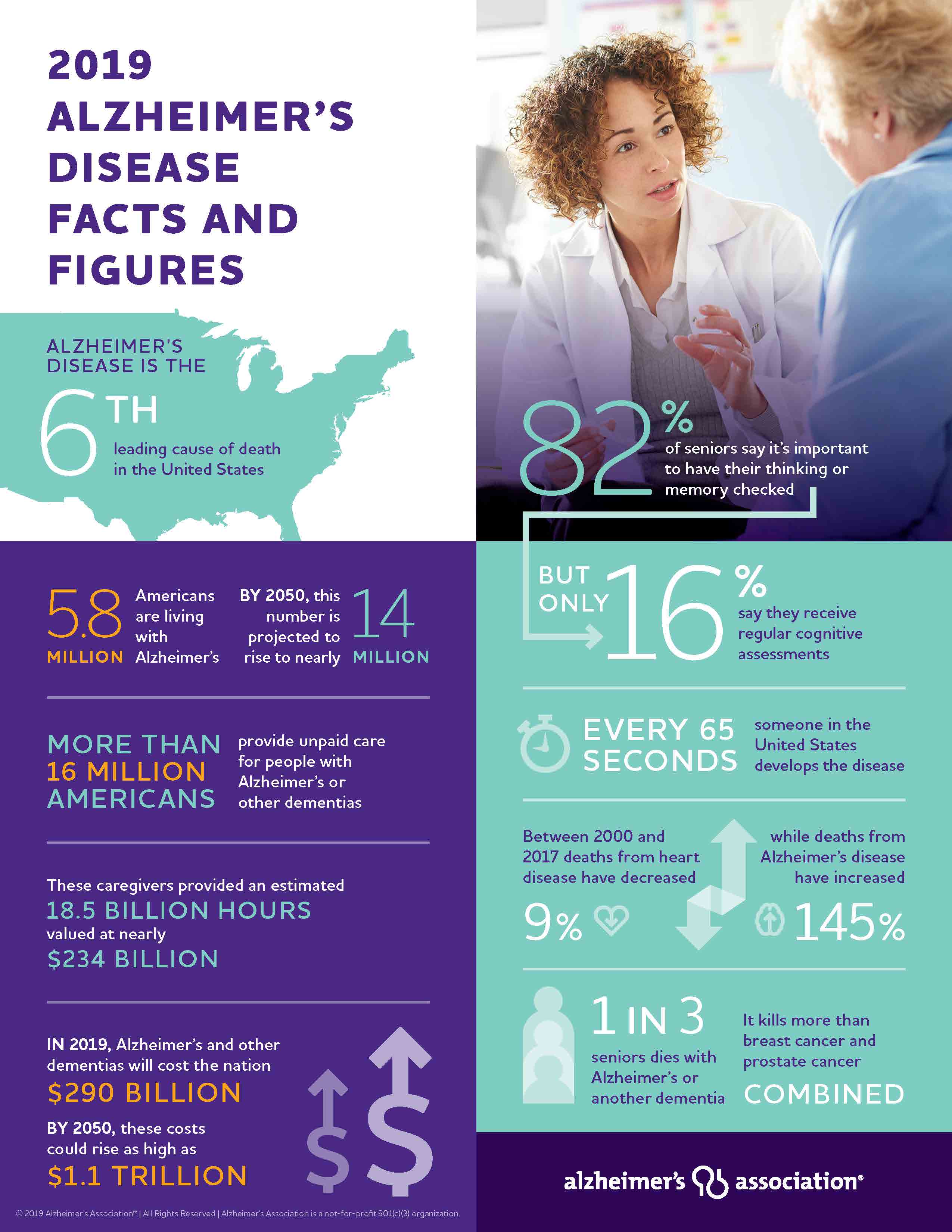
Effective communication with your doctor is important when you are seeking a diagnosis for memory loss. Be prepared to ask questions and be as honest as possible. The total lifetime cost of care for a person living with dementia is estimated at almost $400,000. Seventy percent of these costs are borne by family caregivers in the forms of unpaid caregiving and out-of-pocket expenses. People living with alzheimer's or other dementias have twice as many hospital stays per year as other older people.
Medicare beneficiaries with alzheimer's or other dementias are more likely than those without dementia to have other chronic conditions, such as heart disease, diabetes and kidney disease.
Memory care is a kind of specialized care for people living with alzheimer's and other forms of dementia. Communities typically feature safe and secure environments where staff can closely monitor the health of the residents. You'll also find programs, activities, and events that are designed to help memory care residents work on their cognitive abilities, while also getting to enjoy passions and hobbies. Staff typically are specially trained to provide the quality care needed for seniors with memory loss. It costs, on average, about $3,300 per month for a one bedroom apartment. The average cost of memory care is about $5,000 for a single resident, but such facilities.
Alzheimer’s disease, lewy body dementia, frontotemporal dementia (ftd), and other related memory disorders and dementia affect over 5. 5 million aging americans. Depending on the stage of these diseases, individuals can require 24-hour supervision or care. This means each year in the u. S. , there are billions of hours spent caring for individuals with these conditions. While the vast majority of that care is provided by friends and family members, what happens when those caregivers are not available? who pays for alzheimer’s care? fortunately, there are many programs that provide financial assistance, respite care, and other forms of aid to help families and caregivers.
Alzheimer’s is only one of several different types of age-related dementia. We’ve all misplaced keys, forgotten a phone number or blanked on someone’s name. When we’re younger, we don’t pay much attention to these lapses, but for those who are aging, it can be a bit scary. Providing in-home dementia care for an aging loved one in today’s busy society is sometimes difficult. When it’s possible, the best place to extend what’s left of their memory is in their own home or the home of one of their children. A person with dementia usually responds better in familiar surroundings.