Dispute Resolution Mechanisms
by Admin
Posted on 10-07-2025 06:28 AM
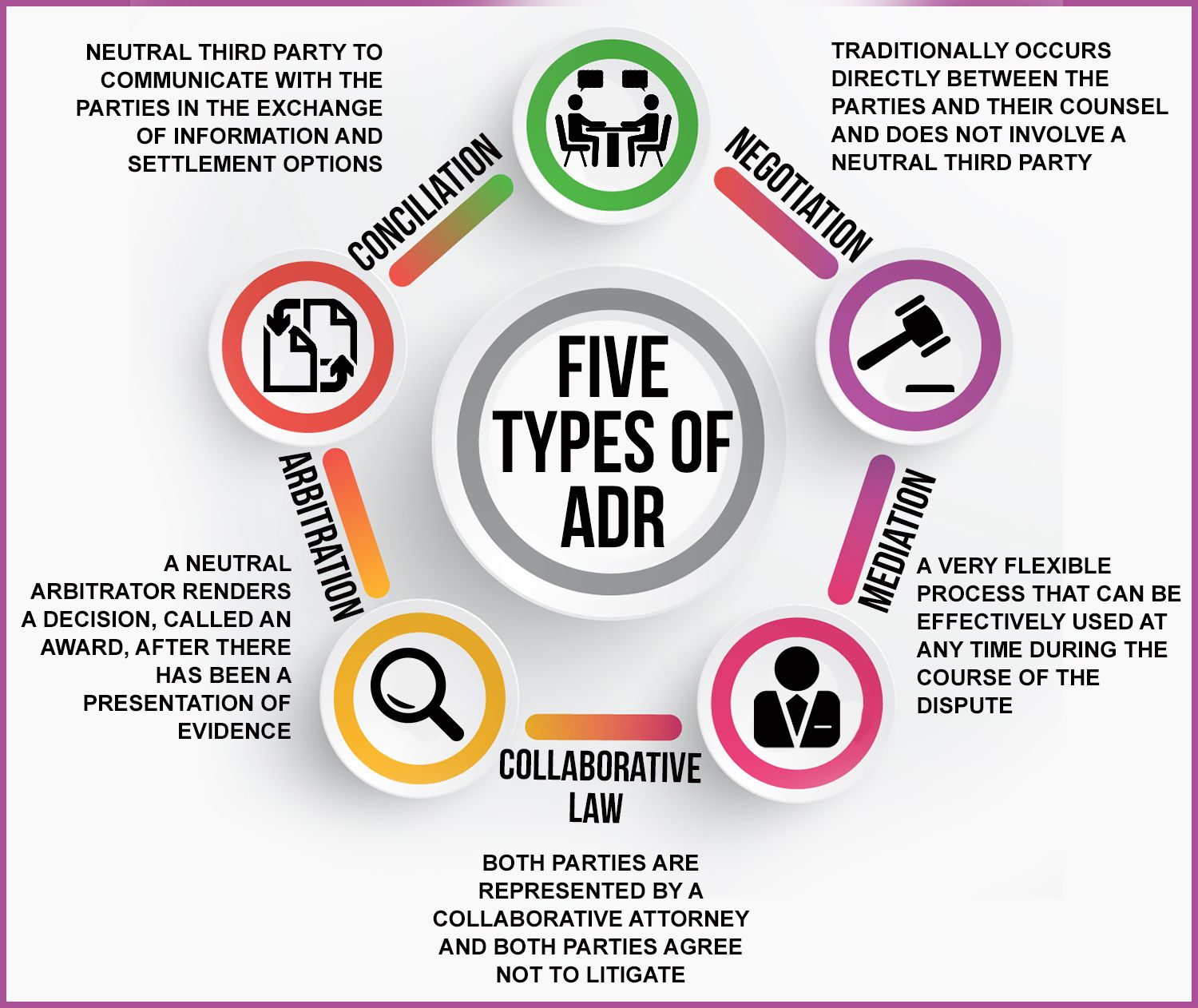
Types of Dispute Resolution Mechanisms
There are several types of dispute resolution mechanisms, including negotiation, mediation, arbitration, and litigation. Each of these mechanisms has its own strengths and weaknesses, and the choice of which one to use will depend on the specific circumstances of the dispute. Negotiation is a process where the parties to a dispute engage in direct communication to try to reach a mutually acceptable agreement. Mediation involves the use of a neutral third-party facilitator to help the parties reach a resolution. Arbitration involves the use of a neutral third-party decision-maker to make a binding decision. Litigation involves the use of the court system to resolve a dispute.
Benefits of Dispute Resolution Mechanisms
Dispute resolution mechanisms offer several benefits, including cost savings, time efficiency, and preservation of relationships. Litigation can be a costly and time-consuming process, and dispute resolution mechanisms can help to avoid these costs. Dispute resolution mechanisms can also help to preserve relationships between parties, as they provide a framework for addressing and resolving conflicts in a constructive and respectful manner. Additionally, dispute resolution mechanisms can provide a higher degree of flexibility and creativity in resolving disputes, as they are not limited by the strict rules and procedures of the court system.

Mediation as a Dispute Resolution Mechanism
Mediation is a popular Dispute Resolution Mechanisms that involves the use of a neutral third-party facilitator to help the parties reach a resolution. Mediation is a voluntary process, and the mediator does not have the power to make a binding decision. Instead, the mediator helps the parties to communicate effectively and find a mutually acceptable solution. Mediation can be used in a variety of contexts, including business, employment, and consumer disputes. The benefits of mediation include its cost-effectiveness, time efficiency, and ability to preserve relationships.
Advantages of Mediation
Mediation has several advantages, including its ability to provide a high degree of flexibility and creativity in resolving disputes. Mediation also allows the parties to have control over the process and the outcome, which can help to increase satisfaction and compliance with the resolution. Additionally, mediation can help to preserve relationships between parties, as it provides a framework for addressing and resolving conflicts in a constructive and respectful manner.
Disadvantages of Mediation
Mediation also has some disadvantages, including the requirement that all parties be willing to participate in the process. If one party is not willing to participate, mediation may not be effective. Additionally, mediation may not be suitable for all types of disputes, such as those involving complex legal issues or high stakes. In these cases, arbitration or litigation may be more appropriate.
Arbitration as a Dispute Resolution Mechanism
Arbitration is another popular dispute resolution mechanism that involves the use of a neutral third-party decision-maker to make a binding decision. Arbitration is often used in business and employment disputes, and can be either voluntary or mandatory. The benefits of arbitration include its ability to provide a fast and efficient resolution to disputes, as well as its ability to provide a high degree of finality and certainty.
Advantages of Arbitration
Arbitration has several advantages, including its ability to provide a fast and efficient resolution to disputes. Arbitration can also provide a high degree of finality and certainty, as the decision of the arbitrator is typically binding. Additionally, arbitration can help to reduce the costs and time delays associated with litigation.
Disadvantages of Arbitration
Arbitration also has some disadvantages, including the potential for bias on the part of the arbitrator. Additionally, arbitration may not provide the same level of due process as litigation, which can be a concern for some parties. Furthermore, arbitration may not be suitable for all types of disputes, such as those involving complex legal issues or high stakes.
Litigation as a Dispute Resolution Mechanism
Litigation is a dispute resolution mechanism that involves the use of the court system to resolve a dispute. Litigation is often used as a last resort, when other dispute resolution mechanisms have been unsuccessful. The benefits of litigation include its ability to provide a high degree of due process and its ability to provide a binding decision. However, litigation can be a costly and time-consuming process, and may not always provide the most effective or efficient resolution to a dispute.
Best Practices for Dispute Resolution
There are several best practices for dispute resolution, including the use of a clear and concise dispute resolution process, the selection of a neutral and impartial dispute resolution provider, and the provision of adequate training and support for dispute resolution practitioners. Additionally, it is essential to ensure that the dispute resolution process is fair, efficient, and cost-effective, and that it provides a high degree of satisfaction and compliance with the resolution.
Conclusion
In conclusion, dispute resolution mechanisms are essential for resolving conflicts between parties in a fair, efficient, and cost-effective manner. The choice of dispute resolution mechanism will depend on the specific circumstances of the dispute, and the benefits and drawbacks of each mechanism should be carefully considered. By understanding the different types of dispute resolution mechanisms and their benefits and drawbacks, parties can make informed decisions about how to resolve their disputes and achieve a mutually beneficial resolution.
FAQs
What is the difference between mediation and arbitration?
Mediation is a voluntary process where a neutral third-party facilitator helps the parties reach a resolution, while arbitration involves the use of a neutral third-party decision-maker to make a binding decision.
What are the benefits of using dispute resolution mechanisms?
The benefits of using dispute resolution mechanisms include cost savings, time efficiency, and preservation of relationships.
Can dispute resolution mechanisms be used in all types of disputes?
No, dispute resolution mechanisms may not be suitable for all types of disputes, such as those involving complex legal issues or high stakes.
How do I choose the right dispute resolution mechanism for my dispute?
The choice of dispute resolution mechanism will depend on the specific circumstances of the dispute, and the benefits and drawbacks of each mechanism should be carefully considered.
What is the role of a mediator in a dispute resolution process?
The role of a mediator is to facilitate communication between the parties and help them reach a mutually acceptable agreement.
Are dispute resolution mechanisms binding?
Some dispute resolution mechanisms, such as arbitration, can be binding, while others, such as mediation, are not binding.